Discover Los Ilustres
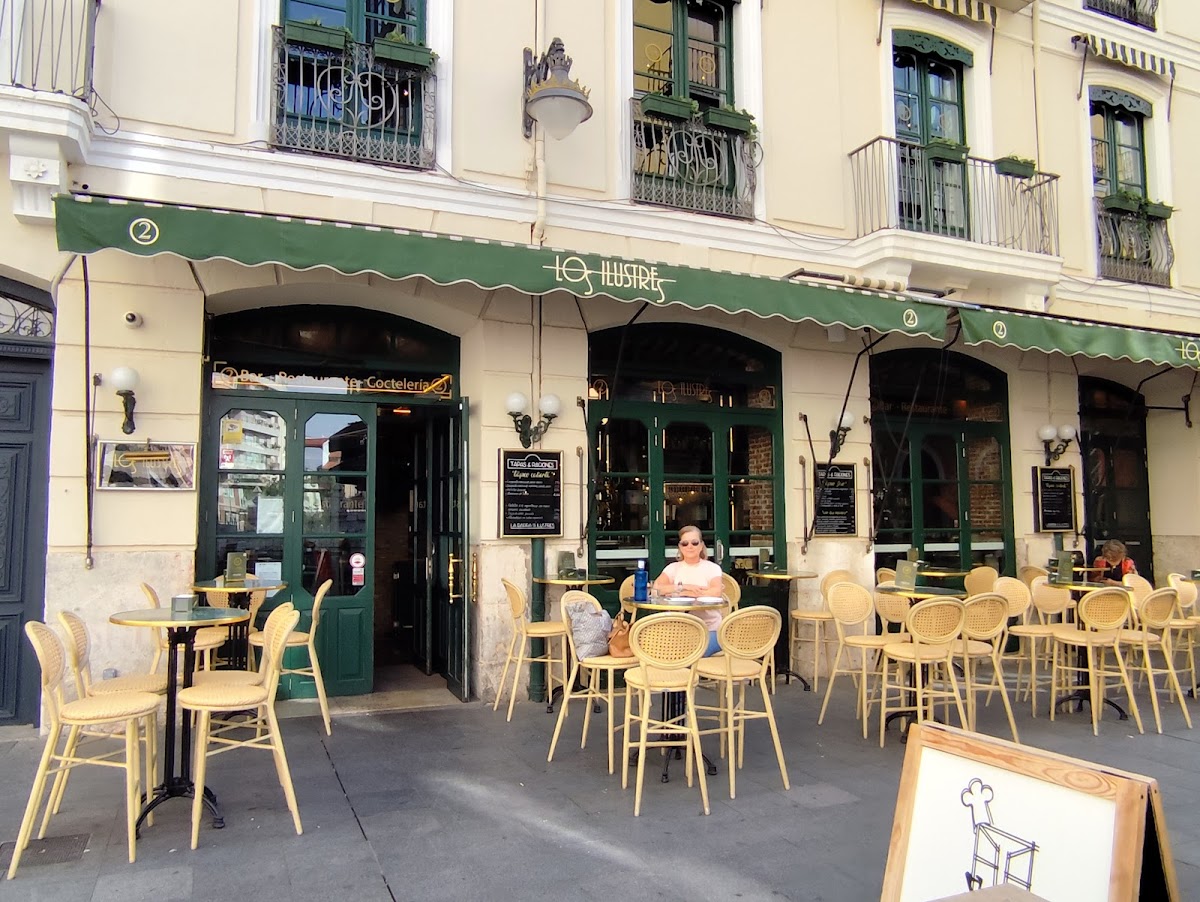
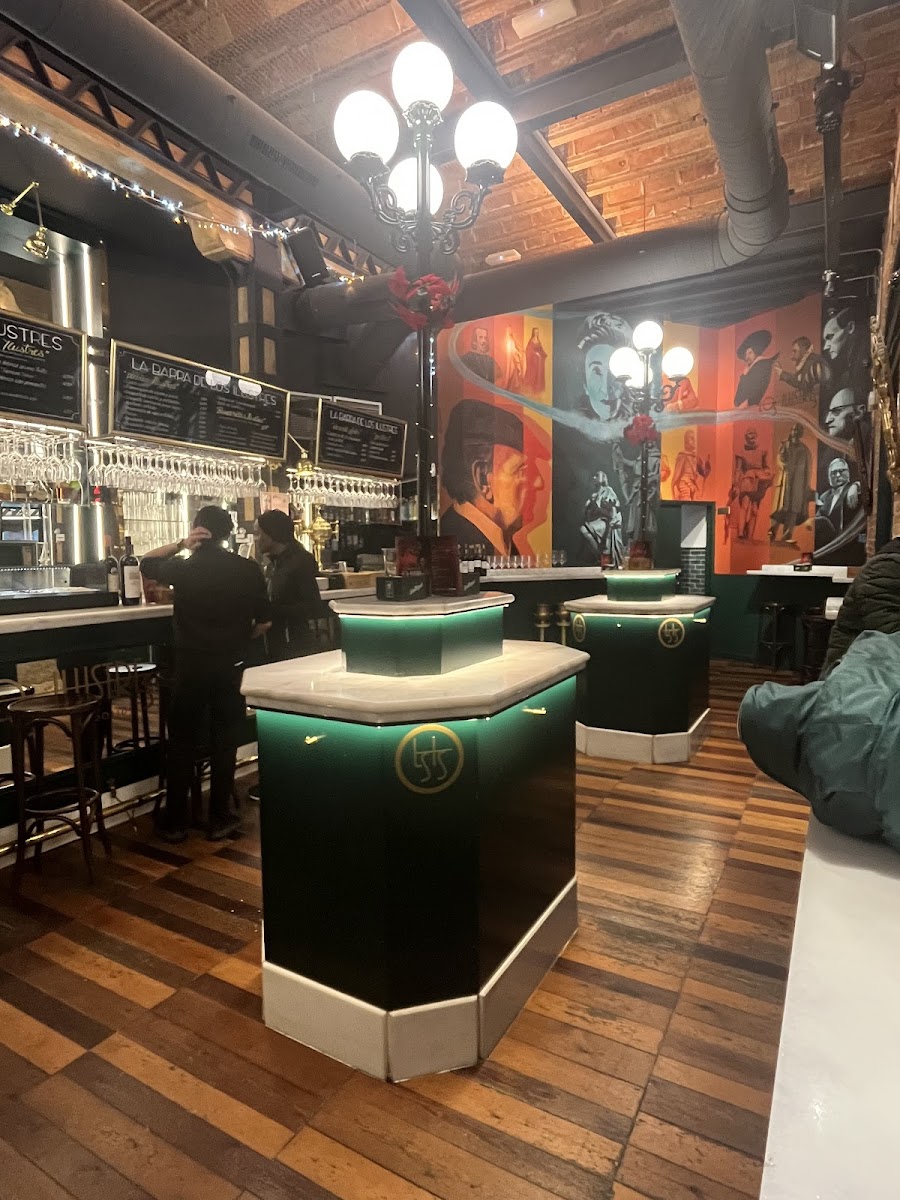
Walking into Los Ilustres feels like stepping into a Valladolid local’s dining diary rather than a polished tourist spot. I first ate here on a cold Castilian evening after a long walk through the historic center, and the warmth hit immediately-both from the dining room and from the plates coming out of the kitchen. The restaurant sits quietly at C. Cascajares, 2, 47002 Valladolid, Spain, just steps from major landmarks, yet it manages to stay grounded in everyday life rather than spectacle.
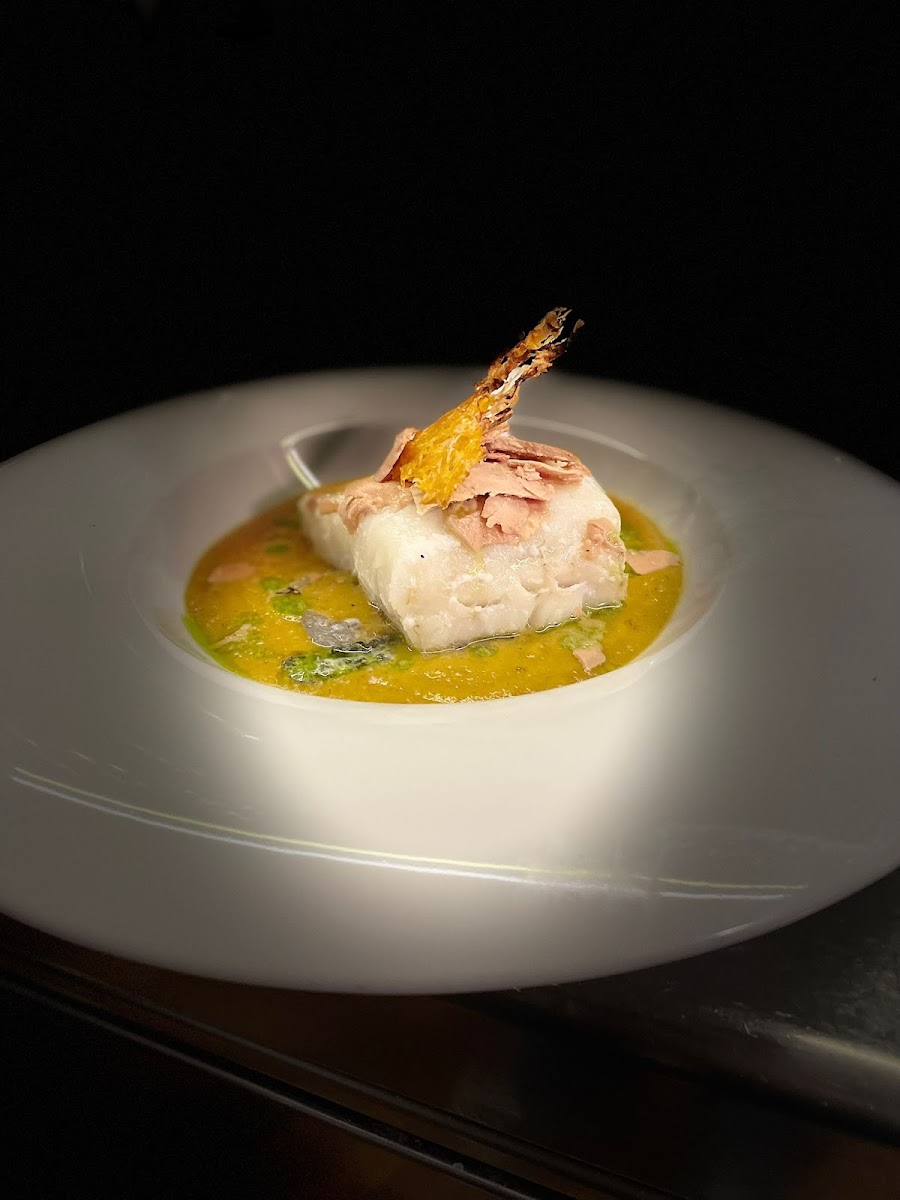
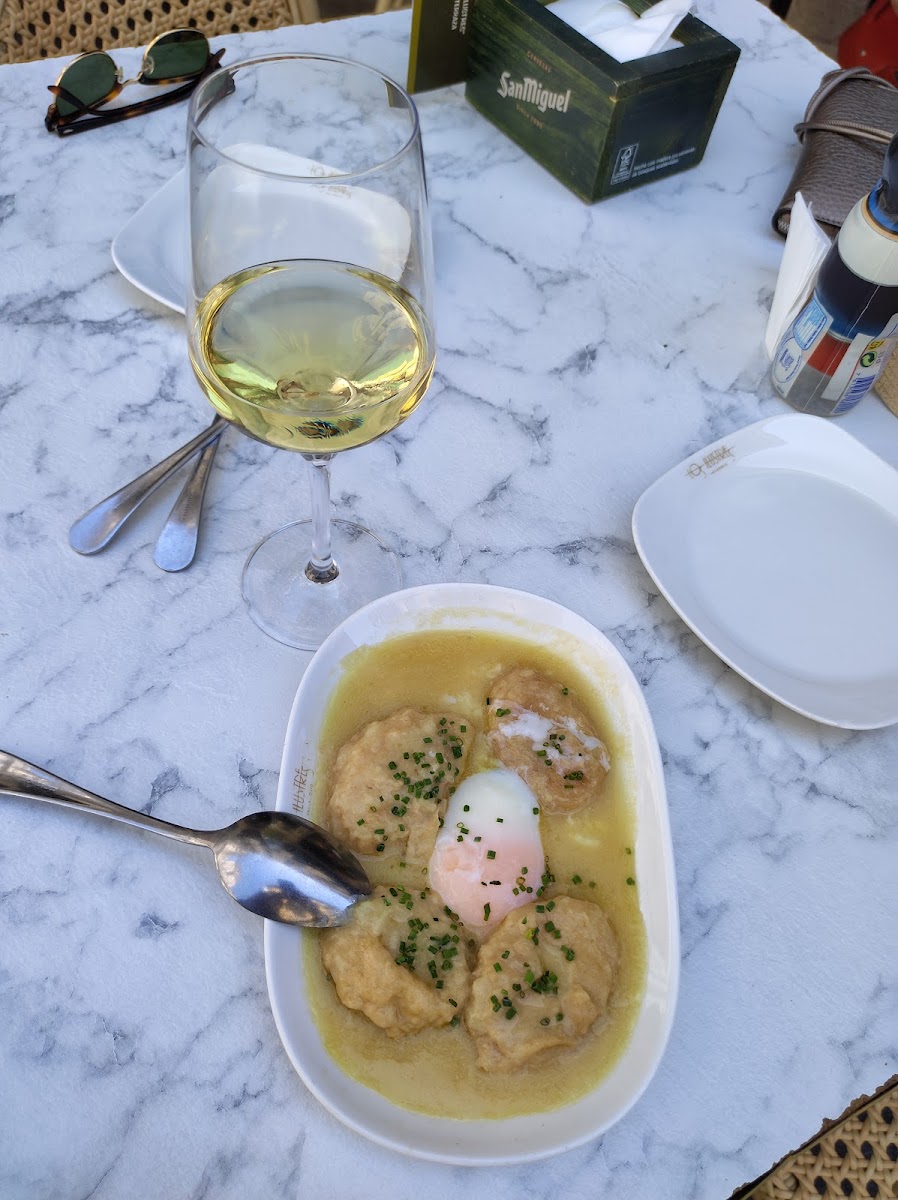
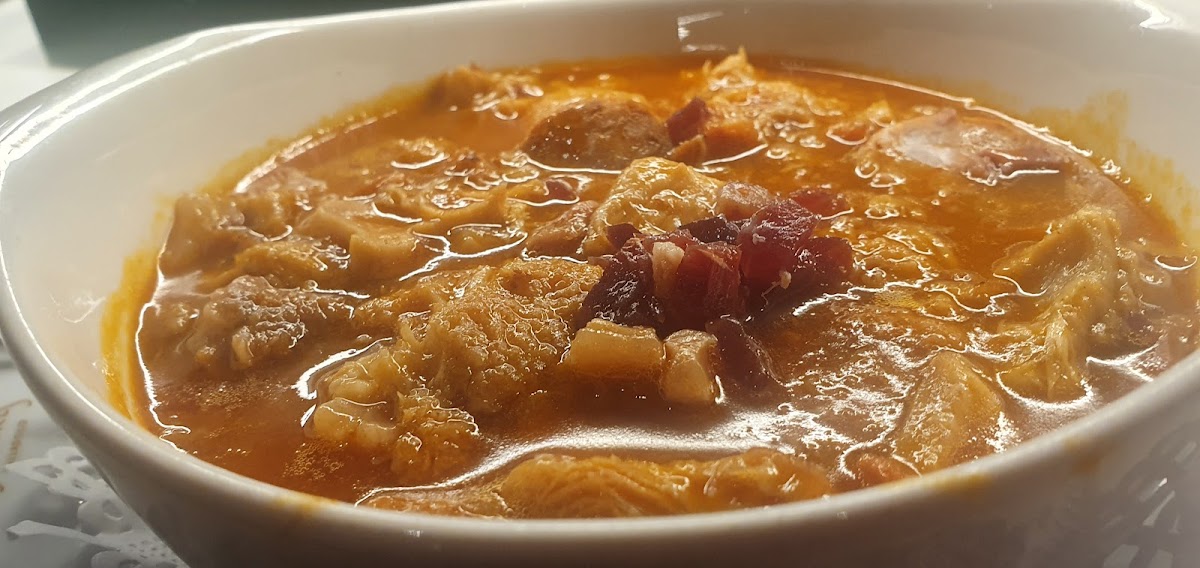
The menu leans heavily on regional Spanish cooking, especially Castile and León traditions. Think slow-cooked meats, legumes, and seasonal vegetables treated with respect rather than gimmicks. When I spoke briefly with a server about their cooking process, they explained how several dishes start early in the morning, simmering for hours to develop depth instead of relying on heavy sauces. That approach shows up clearly in the lamb and stewed beans, which taste clean, rich, and intentional. This kind of slow preparation mirrors techniques documented by the Spanish Academy of Gastronomy, which has long emphasized low-temperature cooking as key to preserving flavor and nutrients.
What stands out most is consistency. I’ve been back three times, once with visiting friends and once with a local colleague who eats here regularly, and the experience barely changed-same portion sizes, same seasoning balance, same relaxed pacing. That reliability matters. According to aggregated restaurant reviews across platforms like TripAdvisor and Google Maps, consistency is one of the top three factors influencing repeat visits, even more than price. Los Ilustres seems to understand that instinctively.
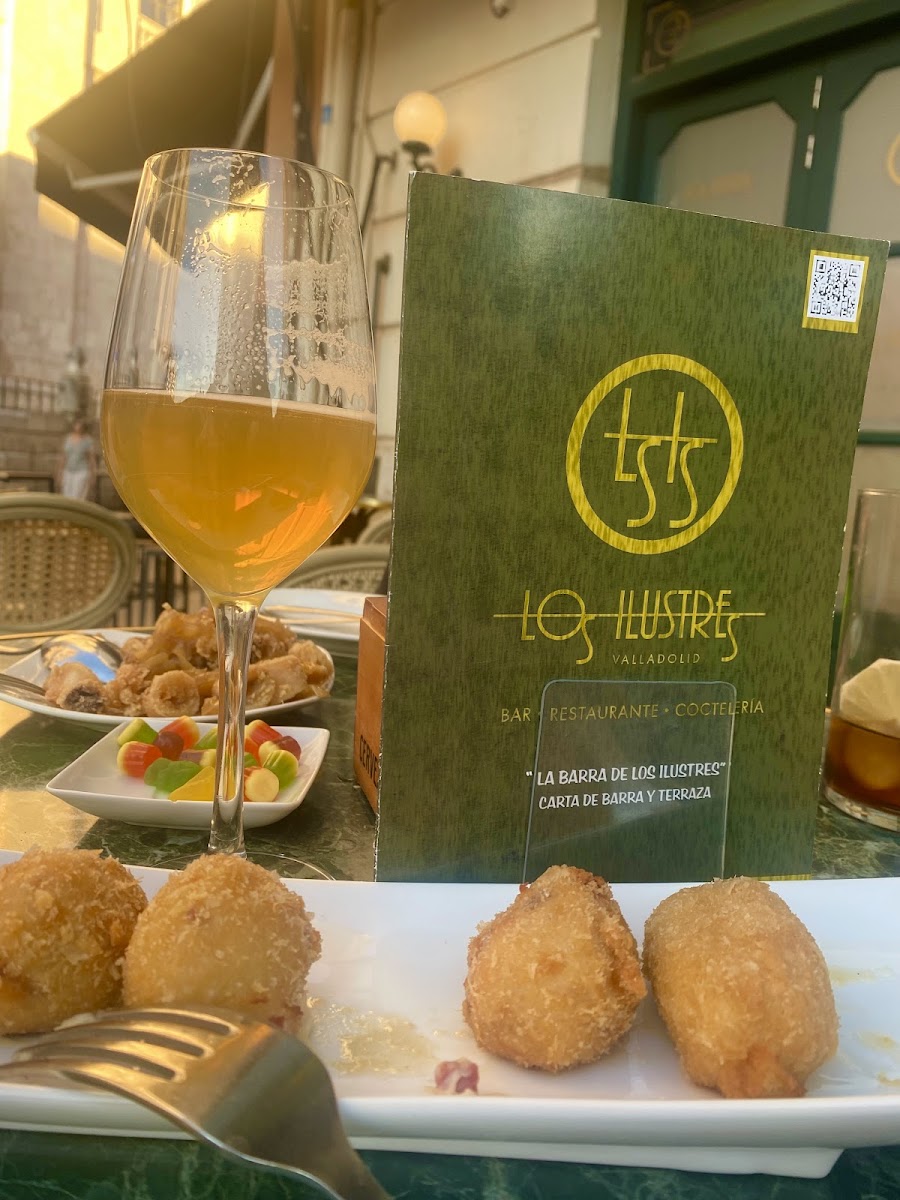
The wine list deserves a mention, especially for anyone curious about Ribera del Duero or Rueda wines. A staff member once guided us through a glass-by-glass pairing instead of pushing a full bottle, which felt refreshingly honest. The explanation was simple and clear, avoiding jargon, but still grounded in real knowledge about grape structure and acidity. Spain’s Ministry of Agriculture has published data showing that Castilla y León produces over 60% of Spain’s quality-designation wines, and this place quietly showcases that strength without turning it into a lecture.
Service here lands in that sweet spot between attentive and hands-off. You’re not rushed, but you’re also never wondering where your server went. That balance reflects what hospitality researchers often describe as optimal service timing-checking in after two or three bites rather than immediately or too late. It’s subtle, but it shapes the entire meal. One regular at the next table summed it up perfectly by calling the place like eating at a friend’s house who really knows how to cook, and that description stuck with me.
In terms of location, being so central makes it an easy choice for lunch between meetings or a relaxed dinner after sightseeing. Still, it doesn’t rely on foot traffic alone. Many of the reviews mention reservations, especially on weekends, which lines up with my own experience of seeing the dining room steadily full but never chaotic.
There are limits, of course. If you’re looking for experimental plating or a constantly changing tasting menu, this may not be your place. The kitchen focuses on doing a smaller range of dishes well rather than chasing trends. But for diners who value flavor, process, and a sense of place, that restraint becomes a strength.
Overall, this restaurant earns trust the old-fashioned way-by showing up the same way every day, serving food that reflects local culture, and letting its reputation grow organically through real experiences rather than hype.